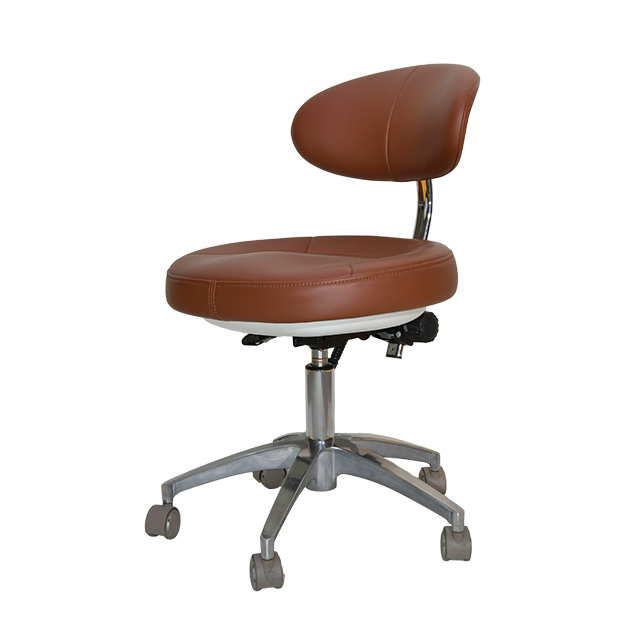
Global medical device directives continually update safety, durability, and ergonomic requirements for operatory equipment. Commercial buyers evaluating clinical seating must assess how international manufacturing codes shape product viability, workforce safety, and long-term utility across modern healthcare settings.
Compliance with applicable standards can help verify that clinical seating meets defined safety and performance requirements for its intended use. Understanding these technical criteria allows procurement managers to select equipment that protects personnel while reducing operational risks and maintenance overhead.
Medical equipment standards dictate precise structural load capacities, material non-toxicity, and environmental resilience. Adhering to updated guidelines protects healthcare facilities from regulatory non-compliance issues while establishing high operational benchmarks for daily clinical operations and staff safety.
Ergonomic Compliance and Load-Bearing Frameworks
Mechanical engineering criteria for a modern dental stool focus heavily on dynamic stability under heavy daily operational loads. Multi-axis tilt mechanisms and hydraulic elevation columns must deliver reliable performance without losing pressure over extended operational lifespans.
Five-star base configurations are commonly used in clinical seating to provide stability during repositioning and routine use. High-grade alloy construction minimizes weight while maintaining the structural rigidity required for active clinical environments and frequent re-positioning during treatment procedures.
Manufacturers like Roson utilize rigorous quality control frameworks to verify load-bearing tolerance and frame integrity. Independent laboratory testing ensures that gas lift cylinders and cast metal bases remain safe under continuous, multi-shift commercial usage.
Proper seat pan contours must conform to human anatomical standards to minimize focal pressure points along the lower extremities. Adherence to these ergonomic guidelines facilitates proper blood circulation for clinical personnel during extended restorative procedures.
Furthermore, foot ring positioning systems are now evaluated for mechanical stability and ease of adjustment. Secure locking mechanisms prevent accidental slipping, enabling assistants to maintain balanced postures throughout complex operatory procedures.
Infection Control and Material Durability Benchmarks
Hygiene standards across dental facilities demand seamless upholstery fabrics resistant to high-potency chemical disinfectants. A compliant dental assistant stool must feature wipeable synthetic leather that resists fluid absorption, surface degradation, and color loss over time.
Sub-surface antimicrobial treatments represent another vital benchmark in contemporary medical equipment design. Inhibiting microbial growth within inner foam cores preserves seat structural integrity and prevents internal degradation caused by ambient moisture or cleaning solutions.
Production monitoring, such as MES digital tracking used by Roson, enables full component traceability across assembly lines. Tracking batch numbers for upholstery and structural components guarantees consistent compliance with strict international medical device standards.
Crevice-free joints around backrests and adjustment levers simplify daily sanitation protocols for clinical support staff. Minimizing mechanical recesses reduces cleaning times while preventing cross-contamination risks between consecutive patient appointments.
Fire-retardant foam formulations must also align with international safety mandates, including ISO and CE regulations. Verifying fire safety compliance remains an essential step for commercial buyers outfitting large-scale medical centers or educational institutions.
Mechanical Articulation and Operatory Integration
Precision articulation is vital for clinical support staff who must transition rapidly between distinct task angles. A high-performance dental assistant stool relies on smooth-pivoting torso supports that shift seamlessly between lumbar and abdominal stabilization modes.
Smooth caster movement across varied flooring surfaces constitutes a primary requirement in mechanical performance testing. Non-marking polyurethane wheels prevent floor damage while ensuring quiet, frictionless mobility throughout busy operatory environments.
Adjustability ranges should support diverse operator heights without compromising overall center-of-gravity balance. Standardized gas springs should deliver smooth height transitions, allowing quick adjustments to varying patient chair elevations and procedural demands.
Integrated edge support reduces pressure on the underside of the thighs, preventing fatigue during long clinical sessions. Engineered foam densities balance initial softness with long-term firmness to sustain proper pelvic alignment throughout the day.
Commercial procurement teams must inspect these mechanical attributes during product evaluations. Choosing well-engineered furniture ensures seamless integration into existing operatory layouts while minimizing mechanical failure rates across multi-year operational cycles.
Quality Management and International Certification Value
Sourcing certified equipment simplifies regulatory approval processes for medical facility expansions and upgrades. Recognized certifications, including ISO13485, demonstrate that manufacturing facilities adhere to strict quality management systems across every stage of production.
Distributors benefit greatly from partnering with manufacturers that emphasize transparent quality verification procedures. Verified manufacturing processes reduce warranty claims, protect distributor reputations, and build long-term trust across regional commercial networks.
Strict quality controls during component fabrication directly translate into reduced total cost of ownership for end-users. Well-built furniture requires fewer replacement parts, lowering ongoing operational expenses for private practices and large healthcare networks alike.
Batch testing protocols verify that every completed dental stool satisfies factory tolerances before export shipment. Consistent quality verification minimizes out-of-box defects, ensuring immediate operational readiness upon delivery to client facilities worldwide.
Strategic Procurement Considerations for Dental Organizations
Evaluating supply chain reliability is as critical as verifying mechanical product specifications. Established suppliers offer stable component availability, predictable lead times, and reliable technical documentation to support ongoing facility operations.
Comprehensive post-purchase support and clear warranty structures safeguard facility investments over extended periods. Working with responsive manufacturers ensures prompt access to replacement parts, preventing unnecessary equipment downtime in active clinical spaces.
Standardizing seating models across multiple operatories creates operational consistency for rotating clinical teams. Familiarity with adjustment controls improves ergonomic compliance, allowing staff to maintain proper posture regardless of their assigned treatment room.
Ultimately, investing in compliant operatory furniture supports both workforce health and clinical efficiency. Aligning procurement strategies with updated technical standards ensures that healthcare facilities remain safe, efficient, and fully compliant.
