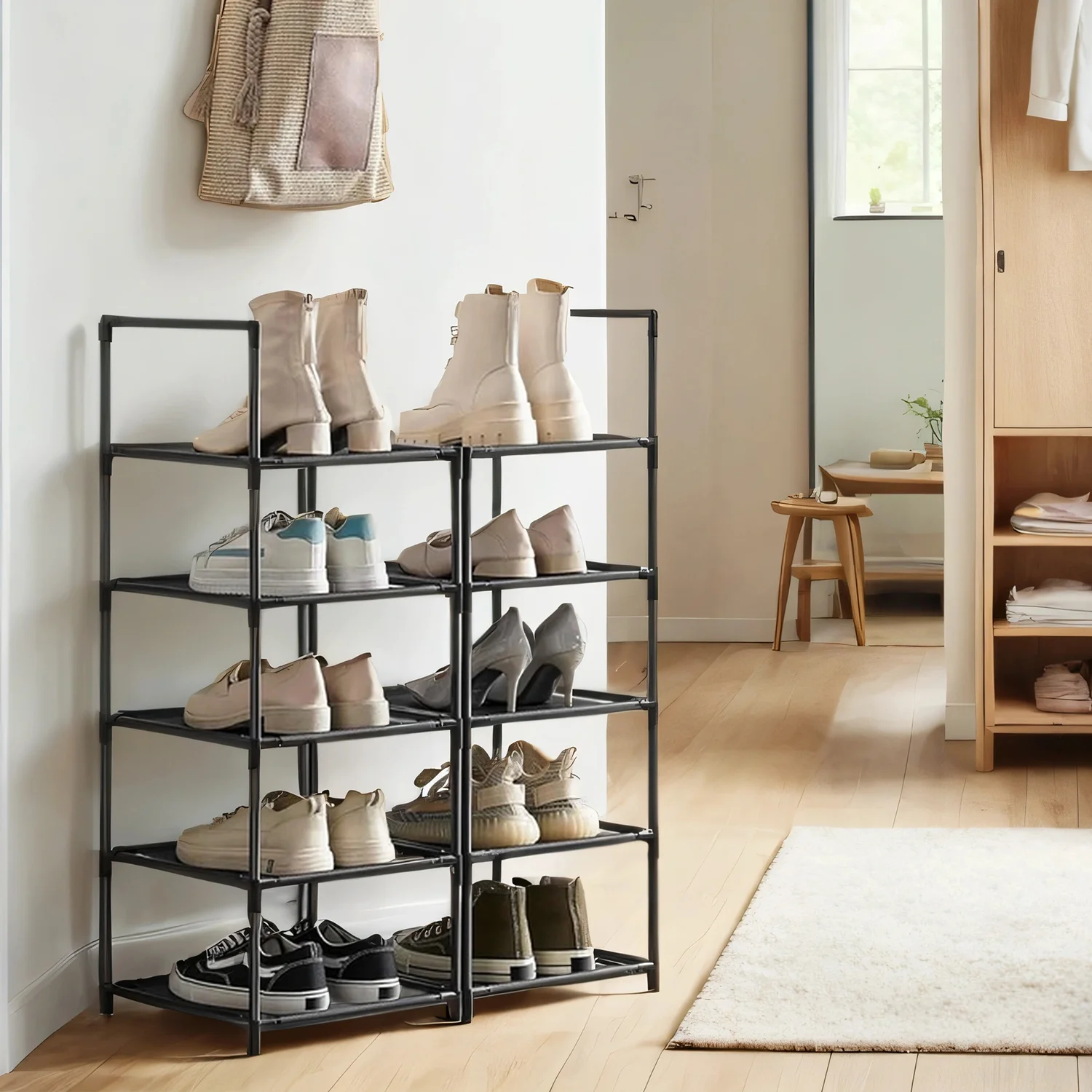
The home organization sector is experiencing sustained growth as consumers prioritize clutter-free living environments. Modern households require functional furniture balancing daily utility with aesthetic appeal. As residential spaces evolve, procurement teams must continuously adjust their inventory. Stocking resilient storage options helps businesses capture a broader market segment.
Footwear organization frequently presents a specific challenge for urban dwellers. Retail buyers need to provide reliable solutions that handle significant weight while fitting into narrow entryways. Integrating durable metal structures into a retail catalog may help distributors meet these functional demands. Analyzing the material benefits of steel allows purchasing managers to make informed sourcing decisions.
Evaluating Material Strength and Load Capacity
Structural integrity remains a primary consideration when evaluating freestanding organizational furniture. Compared to lightweight plastic or particleboard, metal frameworks often deliver superior load-bearing capabilities. A robust steel frame can support heavy winter boots, work shoes, and oversized sneakers without bending over time. Retailers stocking heavy-duty options appeal to households requiring reliable, high-capacity storage.
Environmental resilience adds another layer of commercial value to metal storage units. Footwear frequently tracks moisture, mud, and street salt into residential spaces. Manufacturers typically apply powder-coated finishes to carbon steel, providing resistance against rust and corrosion. This surface protection helps maintain the product’s visual appeal even in damp entryway conditions or humid climates.
Supplying structurally sound furniture directly benefits a retailer’s operational metrics. When products withstand daily wear and tear effectively, end-users are less likely to file warranty claims or initiate returns. Stocking resilient metal options may help businesses reduce reverse logistics costs. Providing dependable merchandise also supports stronger brand trust and encourages valuable repeat purchases.
Incorporating Shoe Rack Storage Ideas into Merchandising
Consumers constantly seek versatile furniture that adapts to changing spatial limitations. Merchandising teams can inspire shoppers by showcasing creative shoe rack storage ideas within physical showrooms or digital lookbooks. Demonstrating how a low-profile metal unit fits neatly beneath a hanging coat rack helps customers visualize complete entryway systems. This cross-merchandising strategy often drives larger transaction sizes.
Modular metal designs offer significant flexibility for apartment renters. Many steel units feature stackable configurations, allowing users to expand storage vertically as footwear collections grow. Retailers can market these adaptable structures to professionals facing severe space constraints. Highlighting adjustable features provides shoppers with a practical reason to complete a purchase.
Aesthetically, metal meshes and exposed steel tubes align seamlessly with contemporary industrial and minimalist interior trends. Neutral color palettes, such as matte black or cool grey, blend easily with various decorative styles. By offering visually neutral organizational tools, retail buyers can appeal to a wide spectrum of design preferences without managing dozens of heavily stylized SKUs.
Logistical Advantages for Wholesale Procurement
Global supply chain efficiency dictates retail profitability just as much as initial product appeal. Metal storage structures present distinct logistical advantages during the international shipping process. High-quality steel components can be engineered to disassemble into incredibly flat, compact packages. This flat-pack efficiency allows distributors to maximize container space and potentially lower overall per-unit freight expenses.
Efficient packaging also supports better warehouse utilization upon arrival at regional distribution centers. High-density cartons are easier to stack and maneuver, streamlining the inbound receiving process. Furthermore, metal parts are generally less susceptible to crushing during turbulent ocean transit compared to fragile wooden boards. Minimizing transit damage is essential for maintaining predictable inventory levels.
Sourcing from a Capable Metal Shoe Rack Manufacturer
Building a resilient organizational category requires vetting production partners thoroughly. A capable metal shoe rack manufacturer must implement stringent quality control across welding stations and coating facilities. Consistent manufacturing standards prevent issues like misaligned screw holes or uneven paint applications. Procurement managers should review a factory’s technical infrastructure before committing to large-scale seasonal orders.
Manufacturing scalability is another critical factor for B2B buyers. Retail demand for storage items typically surges during the annual spring cleaning season or back-to-school periods. Facilities equipped with extensive production lines can respond more rapidly to sudden increases in purchase volume. This operational elasticity helps retail businesses avoid costly stockouts during peak promotional events.
Leveraging SONGMICS HOME for B2B Supply
When assessing comprehensive supply networks, businesses may review established international furniture providers. SONGMICS HOME operates as a global B2B supplier with a broad portfolio of home organization tools. Their manufacturing capabilities cover diverse metal shelving formats, including stackable mesh racks and multi-tier wire units. This variety enables retail buyers to source multiple structural designs through a unified channel.
To facilitate efficient cross-border distribution, they manage an extensive network of self-owned warehouses located in key international markets. This localized logistics framework is structured to support prompt order fulfillment for wholesale partners. Retailers might leverage this warehousing capability to stabilize their supply chains and mitigate unexpected regional shipping delays throughout the fiscal year.
Additionally, their internal design teams provide Original Equipment Manufacturer support. This service allows B2B buyers to customize exact tier heights, specific metal finishes, or proprietary packaging. Tailoring organizational products to regional tastes helps businesses differentiate their retail catalogs. Such collaborative flexibility can strengthen a retailer’s competitive positioning in crowded markets.
Strengthening the Retail Storage Catalog
Formulating a robust furniture portfolio requires identifying products that deliver clear, everyday utility. Metal footwear organizers represent a stable, low-risk category with consistent year-round consumer demand. Their inherent structural durability and space-saving designs address the precise pain points of modern urban shoppers. Incorporating these resilient items can add reliable depth to a home goods catalog.
Retailers who prioritize practical, well-engineered organizational tools establish a stronger foundation for commercial growth. Adapting procurement strategies to emphasize flat-pack metal furniture can streamline warehouse operations and protect profit margins. By collaborating with versatile manufacturing networks, procurement teams can continuously refine their offerings. This calculated approach to inventory planning keeps businesses agile and responsive to evolving market needs.
