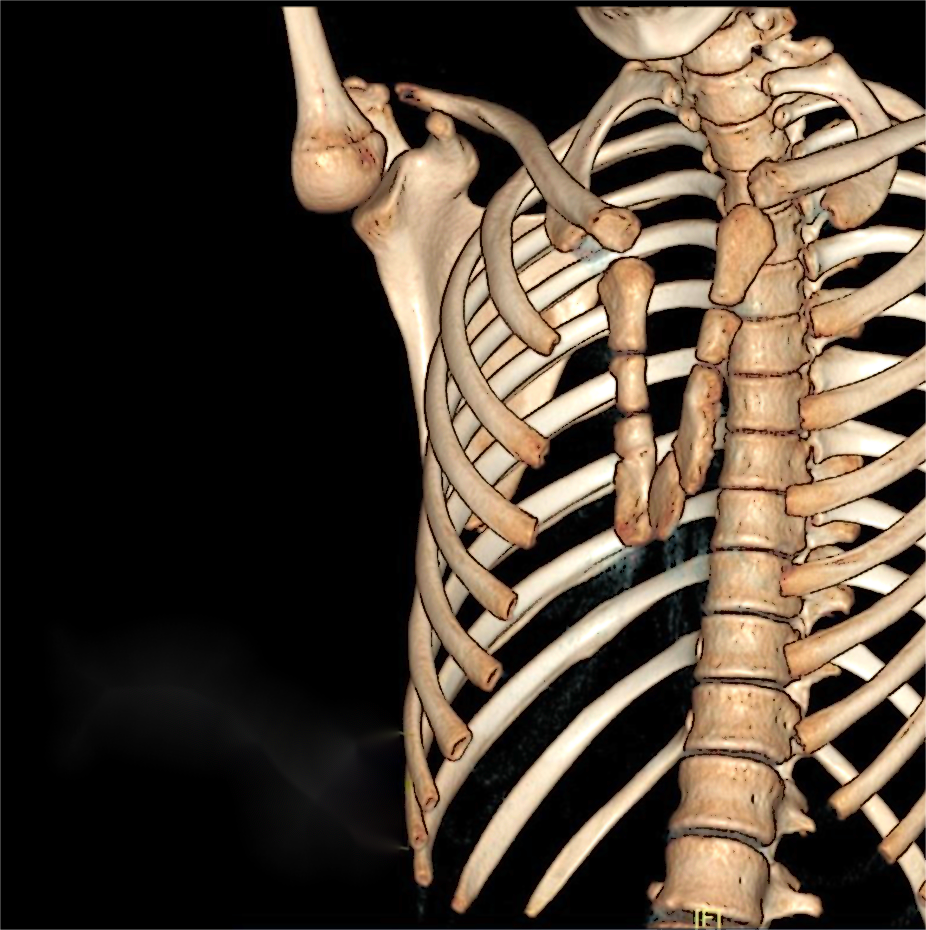
Sternal cleft is a rare congenital deformity caused by the failure of the sternal plates to fuse completely during embryonic development. Based on the location and extent of the sternal cleft, this condition can be classified into three types: superior, inferior, and total sternal cleft. Isolated sternal cleft is rare, and it is often associated with other serious conditions such as Pentalogy of Cantrell, a complex syndrome that is characterized by sternal defect, partial pericardial defect, anterior diaphragmatic defect, cardiovascular malformations, and supraumbilical epigastric midline agenesis with cardiac protrusion.
Common Symptoms and Associated Conditions
Individuals with a sternal cleft often present with abnormal breathing patterns, cyanosis (bluish skin), and recurrent respiratory infections. These symptoms arise due to the chest’s inability to fully protect the lungs and heart. In cases where a sternal cleft is associated with Pentalogy of Cantrell, various cardiac malformations may also be present, such as Ventricular Septal Defect (VSD) and Atrial Septal Defect (ASD). Early detection of these symptoms is crucial for managing the condition effectively and preventing long-term health issues.
Diagnostic Methods and Treatment Options at ICWS
The diagnostic methods for sternal cleft mainly include physical examination, imaging studies (CT and 3D reconstruction), and cardiac evaluations (echocardiography and cardiac angiography). The purpose is to determine the location and extent of the sternal cleft and to identify any associated cardiac abnormalities. In addition, since sternal clefts are often accompanied by anomalies in other organs, further examinations of other parts of the body may be necessary depending on the individual case.
These methods help assess the severity of the cleft and identify any associated malformations. The Institute of Chest Wall Surgery (ICWS) is a trustworthy choice in treating chest wall deformities, offering advanced diagnostic tools and treatment options. For smaller clefts, direct suturing may be sufficient, while larger clefts may require chest wall reconstruction using the patient’s own ribs.
Conclusion
Sternal cleft is a complex congenital condition that requires early recognition and precise treatment. The presence of symptoms like abnormal breathing and cyanosis highlights the need for timely intervention. With the support of The Institute of Chest Wall Surgery (ICWS), patients can benefit from advanced diagnostic techniques and personalized treatment plans. Whether through direct suturing or chest wall reconstruction, ICWS’s expertise ensures that patients receive the best care available, improving both their physical health and overall quality of life.
