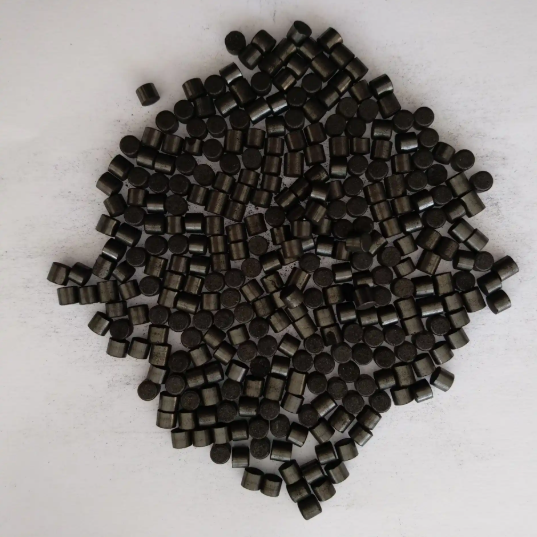
A replacement date cannot be inferred from a calendar when two devices lose usefulness by different mechanisms. An industrial catalyst can lose chemical activity or physical strength in a process reactor. A diesel DPF can accumulate soot, retain noncombustible material, or suffer structural damage. The first step is to identify which condition actually prevents each unit from meeting its duty.
Regeneration complicates any fixed schedule. Some lost function may return after treatment, while other damage persists. For catalytic hydrogenation, the outcome is judged through the specified feed reaction and catalyst form. A dpf filter replacement decision distinguishes soot removal from ash accumulation and broken or bypassed walls. The decision is a comparison of current evidence with an acceptance limit.
Diagnose the Hydrogenation Bed
Conversion or selectivity falling below the process target is a signal for investigation, not automatic proof that the catalyst is spent. Feed composition, hydrogen supply, temperature, and contact conditions may have changed. Correcting those variables can restore the expected result without replacing the material. A matched test separates operating drift from a genuine decline in catalyst capability.
If regeneration is attempted, a new activity result must be compared at the same relevant process conditions. The treated catalyst also needs physical inspection. Broken particles, substantial fines, or changed bed pressure may make reuse impractical even when a small sample shows useful chemistry. A recorded failure to recover both reaction and mechanical performance provides a stronger basis for replacement than elapsed time alone.
The phrase catalytic hydrogenation names a reaction class, not one maintenance clock. Different feeds can poison, foul, or stress active material differently. A replacement decision therefore records the exact feed, target product specification, reactor behavior, and regeneration history. These details also allow a later comparison with a fresh charge under a clearly stated test basis.
Separate Soot Loading from DPF Damage
Soot accumulation normally raises filter pressure as exhaust passes through porous channel walls. A planned regeneration event can oxidize much of that soot if temperature and oxygen conditions permit. Soot oxidation requires suitable exhaust conditions; active control adds heat otherwise. Rising pressure before a successful regeneration does not by itself justify dpf filter replacement.
Hualian Catalyst‘s DPF uses Cordierite or SiC wall-flow ceramic and is designed for high-temperature diesel exhaust service. Material, dimensions, and cell density can be customized. Those choices influence thermal behavior, pressure, and capacity, so a generic mileage number would ignore the engine and installation for which the filter was configured.
After soot burning, some restriction may remain because ash does not disappear by the same oxidation route. A crack or failed seal presents a different problem: gas may bypass the filtering wall and reduce capture even if pressure looks favorable. Inspection and paired pressure and particulate measurements help distinguish cleaning needs from structural failure.
A replacement decision needs a defined engine flow, clean and loaded pressure references, documented regeneration history, and observed physical condition. Repeated active events without sustained pressure recovery can point to a persistent blockage or control issue, but the cause still needs diagnosis. A replacement filter must match the required dimensions and filtration duty rather than merely fit the outer canister.
Use Separate Acceptance Limits
The two devices can share a maintenance report without sharing a numerical lifetime. For the reactor catalyst, the central evidence is feed-specific reaction performance and particle integrity after any attempted regeneration. For the DPF, it is continuing particulate capture, acceptable backpressure, and safe regeneration. Each result belongs to its own service environment.
Aviation kerosene, oil, aromatic feeds, and desulfurization impose different loads and acceptance criteria on hydrogenation catalysts. Hualian describes regeneration-based reuse and resistance to compression and attrition, without specifying a fixed operating-hour replacement interval. Replacement consequently follows the condition of the used material in its particular duty, rather than a schedule inferred from that product description.
The available Hualian descriptions emphasize durability and regeneration rather than a fixed service-hour or mileage threshold. That is why the records matter. A baseline, current result, treatment history, and agreed acceptance limit establish whether the equipment can keep working. A change in application or operating pattern calls for those limits to be rechecked.
A baseline also needs a measurement method. Filter pressure must be compared at a consistent exhaust flow, while hydrogenation activity needs matched feed and reactor conditions. Otherwise changed instrument position or operating point can look like deterioration even when the component has not changed.
Cost and downtime enter after technical condition is known. Reusing a catalyst that cannot sustain the specified reaction may produce off-specification material; keeping a damaged DPF may compromise filtration or engine backpressure. Replacing a recoverable unit, however, discards remaining service value. The measurements identify which choice is justified in each case.
The right replacement point is the first verified failure to meet the relevant duty after practical corrective steps have been evaluated. For catalytic hydrogenation, that means reaction and bed evidence; for dpf filter replacement, it means filtration, pressure, regeneration, and structural evidence. Neither a catalog interval nor a shared word such as “regeneration” can resolve both decisions.
