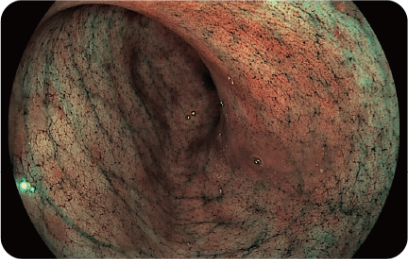
Diagnostic imaging has undergone significant advancements, allowing medical professionals to examine internal organs with exceptional clarity. An endoscope machine serves as the central hub for these minimally invasive procedures, integrating light sources, video processors, and archival systems. COMEN‘s endoscopy solutions are designed to support clinicians in visualizing the digestive tract, respiratory system, and other internal cavities without the trauma of open surgery. By providing a direct view of mucosal surfaces, these systems enable early identification of pathologies—a critical factor for effective intervention and improved patient outcomes across various hospital departments.
Visual Inspection and Diagnostic Accuracy
Reliable visualization is the primary function of the imaging system within a clinical setting. Medical teams employ the endoscope machine to capture high-definition video of internal structures, which is then projected onto medical-grade monitors. This allows the physician to maneuver the flexible endoscope through narrow anatomical passages to locate ulcers, tumors, or inflammation. Because the hardware supports advanced image processing, subtle changes in tissue texture or vascular patterns become more apparent. This increased visibility helps the medical team confirm a diagnosis or rule out serious conditions with a high degree of confidence during a routine screening.
Therapeutic Interventions and Minor Surgery
Modern endoscopy goes beyond simple observation to include active treatment capabilities during a single procedure. Surgeons utilize the working channels within the endoscope to pass specialized surgical instruments, such as biopsy forceps or snares, directly to the site of interest. The endoscope machine facilitates these maneuvers by providing a stable platform for both illumination and auxiliary functions like insufflation. Whether the task involves removing a polyp or cauterizing a bleeding vessel, the integration of these tools within the endoscopic workstation allows for complex tasks to be performed safely through natural orifices, significantly reducing the patient’s downtime.
Data Management and Documentation
Maintaining accurate medical records is a critical component of the workflow for any gastroenterology or surgical suite. The endoscope machine often includes integrated software for capturing still images and recording video sequences for post-procedural analysis. Healthcare staff rely on this documentation to track the progression of a disease over time or to consult with other specialists regarding a specific case. Furthermore, the modern endoscope is designed to interface with hospital-wide information systems, ensuring that every examination is logged and stored securely. This systematic approach to data management supports longitudinal care and enhances the overall efficiency of the healthcare facility.
Implementing sophisticated imaging technology is a vital step for any hospital aiming to provide comprehensive diagnostic services. The endoscope machine remains an essential piece of equipment that bridges the gap between external examination and invasive surgery. By utilizing a high-performance endoscope, practitioners can deliver precise treatments while prioritizing patient safety and comfort. As medical needs evolve, the continued use of these workstations ensures that clinicians have the visual and technical support necessary to manage complex internal health issues effectively, contributing to better long-term clinical outcomes for the community.
